Do not book on a quote alone
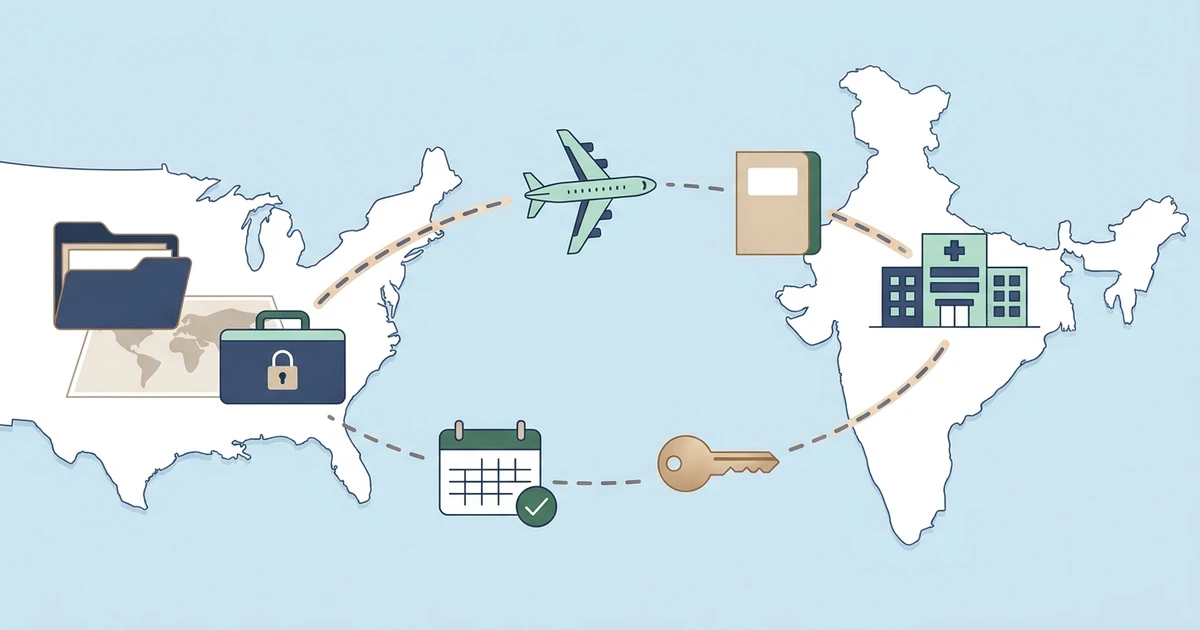
A treatment quote can help with budgeting, but it is not enough to buy flights. Before booking flights for medical treatment in India, confirm the clinical plan, travel readiness, hospital timing, visa status, airline requirements, and arrival support.
The CDC advises people considering medical tourism to discuss travel plans with a healthcare professional, plan for complications, check insurance, and arrange continuity of care after return (CDC medical tourism guidance, accessed 2026-09-06).
The safest order is simple:
- Confirm whether planned travel is reasonable to discuss now.
- Get the hospital appointment or admission window in writing.
- Check passport, visa, and invitation-letter status.
- Ask the airline about medical information, equipment, oxygen, escort, wheelchair, and assistance rules.
- Keep flexible travel and accommodation options until the care plan is clearer.
Virello Health can help connect reports, estimate questions, hospital timing, and travel logistics. It cannot decide whether you are fit to fly.

Confirm who owns travel fitness
A blog article, facilitator, travel agent, or airline booking site cannot clear a patient to fly. Travel fitness depends on the patient’s condition, recent procedures, oxygen needs, medicines, complications, mobility, and the flight route.
Ask the treating clinician or current doctor:
- Is travel medically reasonable to consider at this stage?
- Are there symptoms or recent events that require local assessment first?
- Are there medicine, oxygen, mobility, infection, wound, bleeding, clot, or equipment issues to plan?
- Should the patient travel with a medical escort or caregiver?
- What records or certificate might the airline ask for?
- What should prompt urgent local care before departure?
The CDC notes that travelling after surgery or while being treated for a medical condition can create additional risks, including air-travel and surgery-related clot risk (CDC medical tourism guidance, accessed 2026-09-06). Do not use a generic recovery timeline as travel clearance.
If symptoms are worsening or a medical emergency may be occurring, contact local emergency services or a licensed clinician immediately.
Get the hospital timing in writing
Flight dates should connect to a written hospital plan, not only a verbal message. Ask the hospital or coordinator to confirm the first appointment, likely admission timing, and what could change after arrival.
Before ticketing, ask:
- Which hospital branch and department should the patient report to?
- Is this an outpatient consultation, planned admission, or procedure date?
- Which records have been reviewed?
- Is the plan preliminary or confirmed?
- What tests may be needed after arrival before the final plan?
- How many days before the appointment should the patient arrive?
- What happens if the doctor schedule, test result, or bed availability changes?
- Who updates the family if timing changes?
Virello’s treatment quote page explains that a reliable estimate should state the likely procedure, hospital stay, inclusions, exclusions, and factors that can change the final bill. Use the same discipline for timing. Ask what is confirmed, what is still conditional, and who can update it.
Check visa and passport status before payment
Do not buy a non-refundable ticket assuming the visa will be approved. India states that foreign nationals entering India generally need a valid passport and visa or eVisa unless an exemption applies, and identifies Indianvisaonline.gov.in as the authorised visa portal (India Visa Online, accessed 2026-09-06).
Before flight purchase, check:
- Passport validity and blank-page needs for the traveller’s route.
- Correct visa category for the purpose of travel.
- Whether a hospital invitation letter is needed.
- Whether an attendant needs a separate visa or authorization.
- The official application status and issued authorization.
- Entry airport and route rules shown by the official source.
- Whether dates in the hospital letter and ticket create any mismatch.
Virello can help with medical visa assistance as process support. It cannot guarantee eligibility, approval, duration, entry permission, extension, or immigration decisions.
For more detail on hospital letters, use the medical visa invitation letter guide.
Ask the airline about medical assistance
Airline rules vary, and the same patient may need different steps depending on the carrier, route, medical condition, oxygen or equipment needs, and assistance requested.
Air India says passengers requiring medical assistance may need a completed MEDIF, a medical certificate or report issued within 10 days of departure, specialist documentation for stretcher, oxygen, or portable oxygen concentrator cases, and final document verification at departure (Air India medical clearance requirements, accessed 2026-09-06). Air India also says medical clearance is required when fitness to travel is doubtful due to recent illness, hospitalization, injury, surgery, existing medical condition, special services such as oxygen or medical equipment, or flying for medical reasons or treatment.
IndiGo asks customers with medical conditions to provide medical information at least 72 hours before scheduled departure, and states that cabin crew are trained only in first aid and are not permitted to administer injections or medication (IndiGo medical assistance FAQ, accessed 2026-09-06).
Ask your airline:
- Is a medical form required?
- Who must sign it?
- How long before departure must it be submitted?
- Is wheelchair, aisle chair, stretcher, oxygen, battery-powered equipment, or a safety assistant needed?
- What documents must be carried at check-in?
- What equipment is allowed in the cabin?
- Are there extra charges?
- Can the airline refuse boarding if documents are incomplete?
These examples are not universal rules. Check the exact airline you will fly.
Carry records, medicines, and device documents
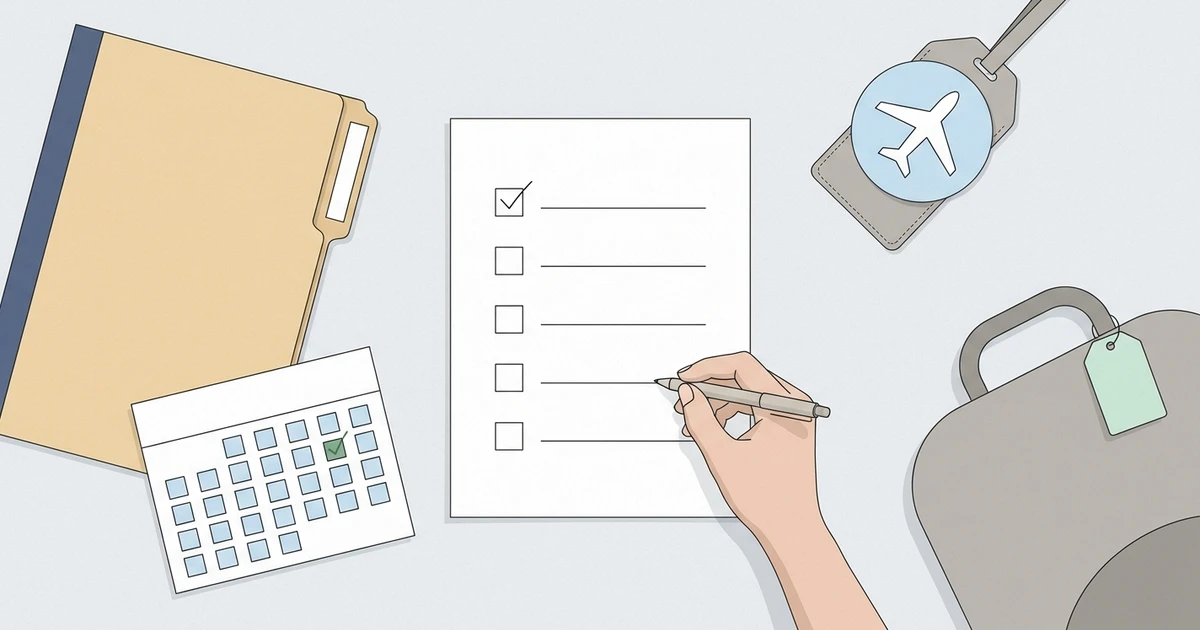
The patient should not travel with only a passport and appointment message. Carry a compact, organized file for medical and travel decisions.
Useful items may include:
- Diagnosis summary or latest doctor note.
- Recent lab, imaging, biopsy, discharge, and procedure reports.
- Current medicine list and prescriptions.
- Allergy list.
- Implant, stent, pacemaker, device, oxygen, or equipment documents if relevant.
- Hospital appointment or admission confirmation.
- Treatment estimate with inclusions and exclusions.
- Travel insurance details.
- Emergency contact list.
- Copies of visa, passport, and travel bookings.
Air India advises passengers with medical-assistance needs to carry relevant medical records and necessary medications in cabin baggage (Air India medical clearance requirements, accessed 2026-09-06). Do not change medication, oxygen, or equipment use because of a blog checklist. Ask the treating clinician, pharmacist, airline, and equipment supplier what applies to the patient.
Virello’s upload reports page lists recent diagnosis notes, lab reports, imaging, biopsy results, prescriptions, discharge summaries, and proposed treatment plans as useful records for case review. Use secure website routes for medical records.
Plan arrival and accommodation before landing
The flight ends at the airport. The medical journey does not. Before you travel, decide who will meet the patient, how the patient will reach the hospital or accommodation, and what support is needed during the first day.
Confirm:
- Airport pickup and vehicle type.
- Wheelchair or mobility assistance at origin, transit, and arrival.
- Distance and traffic route from airport to hospital or accommodation.
- Hotel, apartment, or guesthouse check-in time.
- Lift, bathroom, bed, entrance, food, medicine storage, and caregiver needs.
- Interpreter support for the first consultation if needed.
- Local mobile connection and hospital contact route.
- Backup accommodation if appointments shift.
- Who pays each non-hospital cost.
Virello can help coordinate airport pickup, accommodation questions, interpreter support, and billing logistics when the care direction is clearer. These are coordination steps, not clinical care.
Build flexibility into the ticket
The cheapest fare may be expensive if the clinical plan changes. A flight booked too tightly can create stress around repeat tests, admission timing, discharge, follow-up, complications, or visa questions.
Before paying, check:
- Date-change fees.
- Cancellation terms.
- Medical-document rules for changes.
- Baggage allowance for medical supplies.
- Transit visa or airport rules.
- Companion ticket flexibility.
- Hotel cancellation or extension terms.
- Insurance exclusions for planned medical travel.
This is not financial advice. It is a reminder that the hospital plan, airline rules, and travel booking should fit together. If treatment or recovery takes longer than the package assumed, use the longer-than-package guide to separate hospital, accommodation, visa, airline, and insurance owners.
Where Virello fits before ticketing
Virello Health is most useful before ticket purchase when the family has many partial answers and needs them organized.
A coordinator can help you ask:
- Are the right reports ready for review?
- Is a second opinion needed before travel?
- Is the treatment quote tied to a real clinical scenario?
- Which appointment or admission details are confirmed?
- Which travel questions belong to the airline?
- Which visa steps need official confirmation?
- Which support services should be arranged only after the care direction is clearer?
Virello does not replace your doctor, the treating hospital, the airline, the insurer, the visa authority, or emergency services.
Before buying flights, you can contact Virello Health to connect your reports, hospital timing, quote assumptions, and travel questions into one planning checklist.
Continue planning
- Use the medical tourism in India checklist for the full journey sequence.
- Review the medical visa invitation letter guide before visa paperwork.
- If travelling from the United States, read the USA to India medical travel guide.
- If your stay changes after arrival, use the treatment package overrun guide.
Sources
- CDC Yellow Book: Medical Tourism, accessed 2026-09-06.
- Air India: Medical Needs and Clearance Requirements, accessed 2026-09-06.
- IndiGo: Assistance for Passengers with Medical Conditions, accessed 2026-09-06.
- India Visa Online, accessed 2026-09-06.
- Virello Health: Upload Medical Reports for Review, accessed 2026-09-06.
- Virello Health: Treatment Quote for Medical Care in India, accessed 2026-09-06.
- Virello Health: Contact, accessed 2026-09-06.