Who this checklist is for
This guide is for people who live outside India and are considering planned care in India, and for relatives or caregivers helping them. Medical tourism simply means travelling to another country for medical care, but the practical work involves several connected decisions: whether travel is clinically reasonable, which team can assess the condition, what the estimate covers, how follow-up will work, and what happens if plans change. The CDC medical tourism guidance recommends discussing the trip with a home clinician, planning for complications, checking insurance, and arranging continuity after return.
A facilitator can organize information and non-clinical logistics. Virello Health can help coordinate report transfer through its approved website process, hospital options, appointments, estimate clarification, invitation-letter steps, transport, accommodation, interpreters, and follow-up scheduling. The hospital and licensed clinicians decide whether to offer care, which treatment is appropriate, what risks apply, and when a patient is fit to travel.
Use the checklist in this order:
- Confirm that seeking an international opinion will not delay urgent local care.
- Prepare records that let a specialist understand the case.
- Compare the exact clinical team and facility, not a group name alone.
- Obtain a case-specific written estimate.
- Verify official visa and entry requirements.
- Plan travel, accommodation, follow-up, and a complication contingency.
- Book only after the relevant clinician and authorities have answered the unresolved questions.
Start with clinical fit and the exact treatment team
A city, hospital brand, or online package cannot establish clinical suitability. The first useful question is: which specialty and multidisciplinary team should review the records? A treating specialist must confirm whether the proposed investigation or treatment is appropriate.
When comparing an option, record the following:
- Exact hospital branch and department.
- Name and role of the clinician expected to review the case.
- How the clinician’s current registration and specialty can be verified.
- Whether more than one specialty should review the plan.
- Which facility would manage an unexpected complication.
- Whether intensive care, blood-bank, rehabilitation, pathology, or advanced imaging support is relevant to the proposed pathway.
- How the hospital communicates with the patient’s clinician at home.
Check the exact facility in the NABH healthcare-organisation directory where applicable. Registry status can change, and the scope may apply to a particular facility or programme rather than every branch. Accreditation is one quality signal, not a guarantee of an individual outcome. The CDC similarly advises checking facility and clinician credentials while recognizing that accreditation alone does not prove clinical results.
Do not rely on labels such as “international hospital” or “centre of excellence” without asking what they mean for this case. Ask for verifiable facts: who reviews the records, where the treatment would occur, what backup is available, and who owns follow-up.
Prepare records for an initial opinion
A useful remote review depends on readable, current information. Do not place personal medical records in chat, email threads that have not been approved, or this repository. Use the secure report-intake route identified by Virello Health.
Ask the receiving team which documents it needs. A practical preparation set may include:
- A short summary from the current treating clinician.
- The current diagnosis or the question that remains unresolved.
- Relevant discharge summaries and procedure notes.
- Laboratory, pathology, imaging, and other reports requested by the specialist.
- Images in the format requested by the hospital, not screenshots alone.
- A current medicine list using generic names where possible.
- Known allergies and relevant previous procedures.
- The patient’s preferred language and accessibility needs.
- The home clinician’s contact details, shared with consent.
- Questions the patient wants the Indian specialist to answer.
This is a preparation list, not a universal clinical requirement. The receiving clinician may request fewer or additional records. Preserve original reports and ask how physical pathology material or large imaging files should be transferred.
Before accepting an opinion, confirm whether it is preliminary and based only on uploaded records. Ask what could change after examination, repeat testing, or specialist review in India.
Compare hospitals without using a ranking
A useful comparison is case-specific. It should not claim that one hospital is “best” for everyone. Build a small table with the same fields for each option.
| Comparison field | What to verify |
|---|---|
| Clinical fit | Specialty, proposed reviewing team, and unanswered diagnostic questions |
| Exact facility | Branch, department, current registry status, and complication backup |
| Clinician | Public registration and relevant specialty information |
| Care pathway | Evaluation, treatment, expected transitions, rehabilitation, and follow-up |
| Communication | Language support, coordinator role, written records, and home-team handoff |
| Estimate | Currency, date, assumptions, inclusions, exclusions, and validity |
| Logistics | Airport route, accommodation, accessibility, caregiver needs, and local transport |
Ask why each option was presented and whether any commercial relationship could affect the list. Do not infer a Virello partnership from a hospital appearing on the website or in a discussion unless that relationship has been verified and approved for publication.
Audit the written estimate
A headline package is not the same as an individual final bill. A reliable comparison starts after report review and uses the same diagnosis, procedure, room category, expected stay, and clinical assumptions. Virello’s treatment-quote guidance explains that estimates may vary with the confirmed diagnosis, procedure, hospital stay, devices, medicines, intensive care, complications, and rehabilitation.
Ask the hospital to state in writing:
- Issuing hospital and exact branch.
- Patient scenario and proposed procedure used for the estimate.
- Currency, issue date, and validity period.
- Professional, hospital, anesthesia, diagnostic, and nursing charges included.
- Room category and assumed number of hospital days.
- Implants, devices, medicines, blood products, and intensive care assumptions.
- Rehabilitation, follow-up, and remote consultation inclusions.
- Taxes and coordinator or travel services, if any.
- Items expressly excluded or still unknown.
- What happens financially if the diagnosis, procedure, or length of stay changes.
- Deposit, payment, cancellation, refund, and invoice process.
Only the hospital’s current written estimate after clinical review can apply to an individual. Keep a separate contingency for extended accommodation, local transport, companion expenses, additional tests, changed flights, and care after return.
Verify the current medical-visa process
India’s official portal lists e-Medical and e-Medical Attendant categories and asks for supporting documentation including a hospital letter. However, the Government of India e-Visa page currently contains conflicting wording about validity and entries. This article therefore does not publish a fixed duration or entry count.
Before booking, check the official portal for:
- Eligibility for the traveller’s nationality and passport.
- Correct visa category for the actual purpose.
- Current application timing and document requirements.
- Hospital-letter details.
- Whether and how an attendant may apply.
- What the issued electronic travel authorization permits.
- Any registration or extension steps that may apply.
A coordinator may help organize documents and explain process steps. Only the relevant Indian authority decides eligibility and approval. Use the issued authorization and official instructions rather than an old screenshot, copied FAQ, facilitator promise, or blog summary.
Plan the stay around the care pathway
Travel logistics should support the care plan rather than determine it. Wait for the treating team to explain likely evaluation steps and when the patient should remain near the hospital. Do not buy inflexible return travel based on a generic recovery timeline.
Discuss:
- Arrival date relative to the first appointment.
- Whether a companion is clinically or practically advisable.
- Step-free access, wheelchair support, bathroom setup, and lift availability.
- Distance and transport time between accommodation and hospital.
- Interpreter availability for consultations and consent discussions.
- Food, cultural, religious, and communication needs.
- A local mobile connection and reliable way to contact the hospital.
- Laundry, medication storage, and caregiver rest.
- A realistic extended-stay contingency.
- Insurance terms for planned care, complications, and medical evacuation.
The CDC advises medical travellers to understand package limits, complication arrangements, insurance, and follow-up before travel. Keep copies of passports, travel documents, estimates, receipts, and non-sensitive contact information separately from clinical files.
Prepare discharge and follow-up before treatment
Continuity is not a task to leave until the final day. Before treatment, ask who will provide the discharge summary, operative or procedure report, pathology and imaging results, medicine list, rehabilitation plan, and follow-up schedule.
Agree on:
- The hospital’s contact route for post-discharge questions.
- Which events the discharge plan says require urgent local evaluation.
- Where the patient will go if a complication occurs in India.
- How the home clinician receives records with the patient’s consent.
- Whether the Indian specialist will communicate directly with the home team.
- Who orders or interprets follow-up tests after return.
- How medication reconciliation will be handled by licensed clinicians.
- Who decides fitness to travel and whether the airline requires documentation.
The website is not an emergency channel. If there may be a medical emergency or worsening condition, contact local emergency services or a licensed clinician immediately.
Final pre-booking checklist
Pause before paying or booking travel if any of these remain unclear:
- The exact clinician or hospital branch has not been identified.
- The option is based on a ranking, testimonial, or outcome claim without comparable evidence.
- The estimate lacks a date, currency, assumptions, inclusions, or exclusions.
- A seller promises eligibility, a result, a final price, or visa approval.
- No one has planned complications, an extended stay, or home follow-up.
- The return flight is based on a blog timeline rather than treating-team clearance.
- Records are being requested through an unapproved channel.
- The proposal would delay urgent local assessment.
When the clinical and logistical questions are ready, you may share records through Virello Health’s approved intake route for coordination of an initial case review. This is a non-emergency coordination step, not a diagnosis or treatment decision.
Continue planning
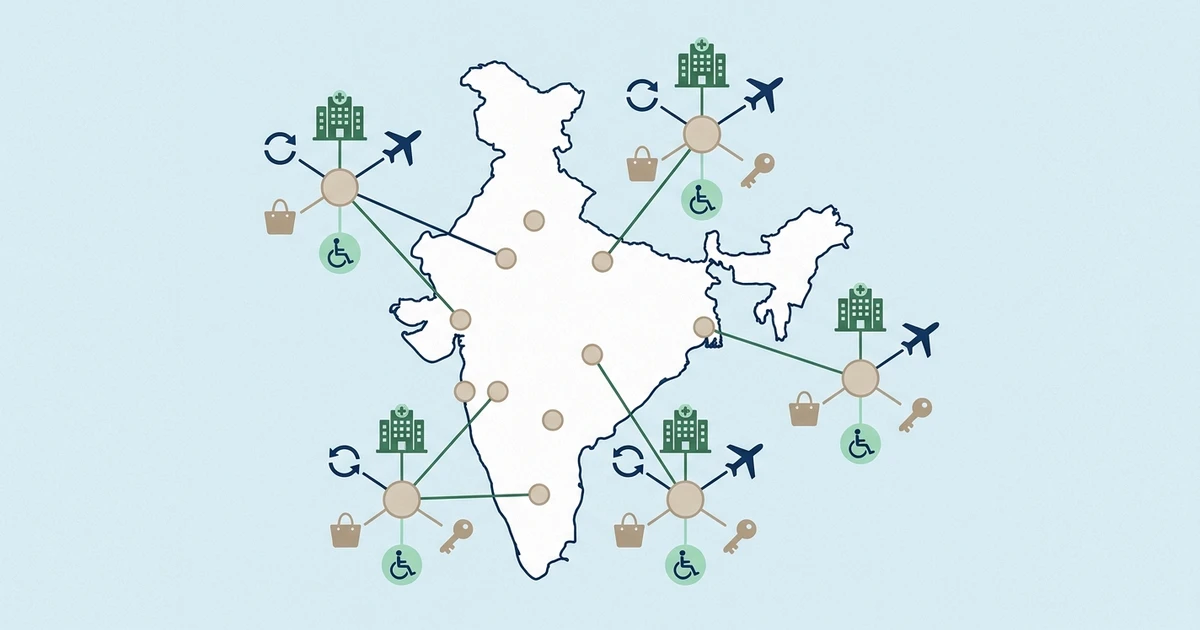
- Narrow the location using the Indian medical-city selection guide.
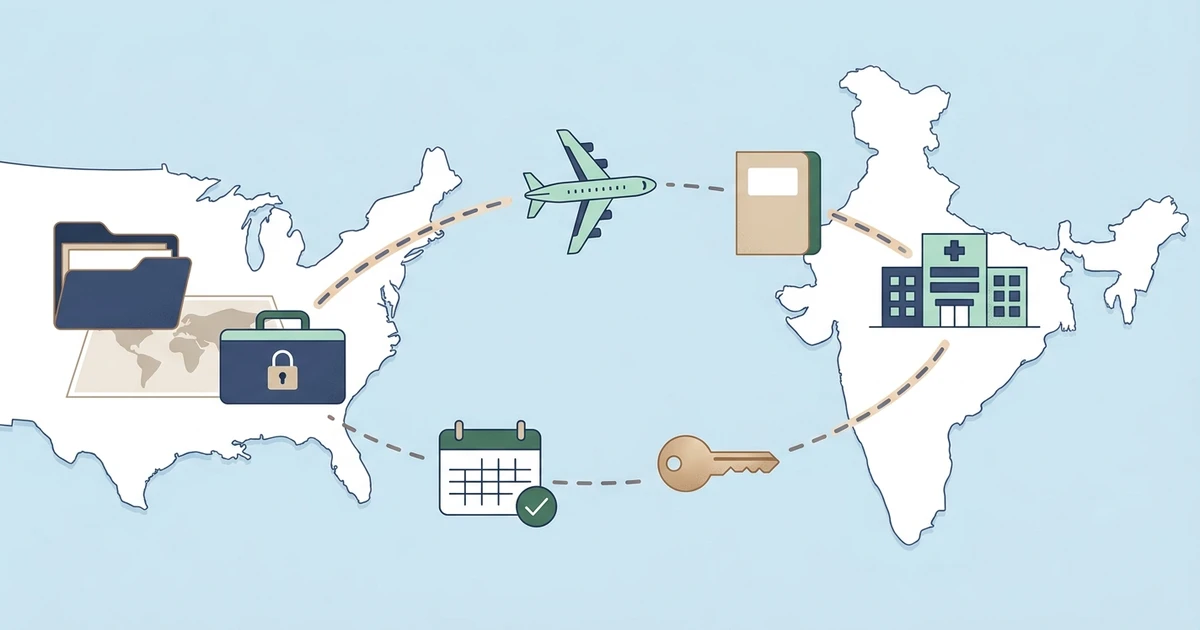
- If travelling from the United States, use the USA-to-India medical travel guide.
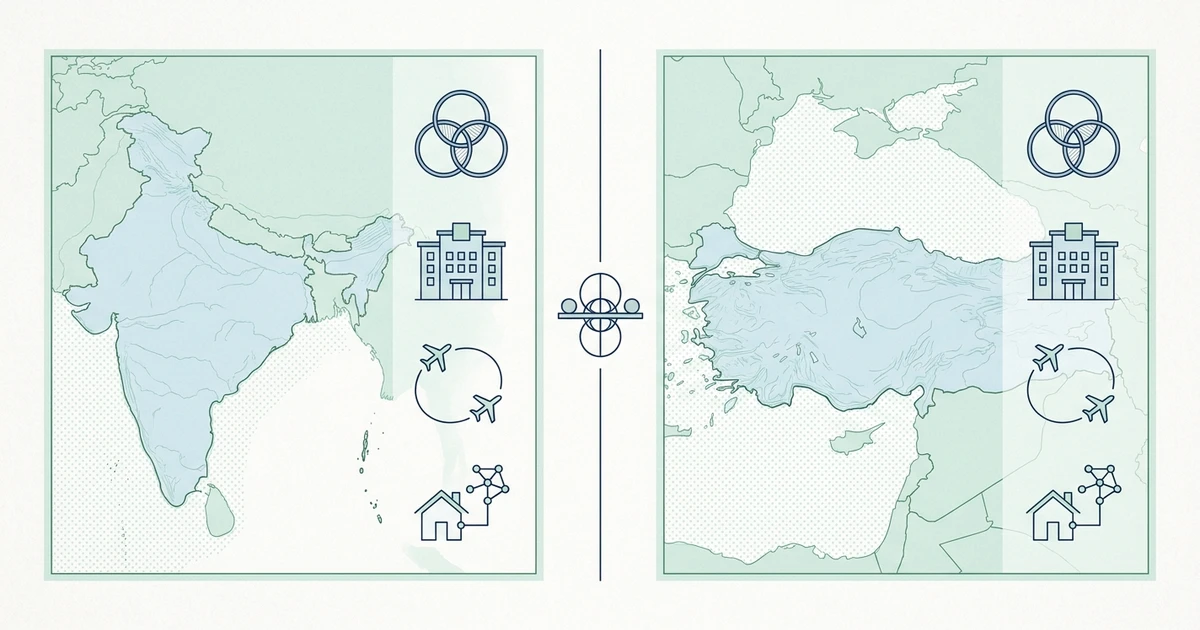
- If comparing destinations, apply the framework in the India vs Türkiye treatment guide.