Start with the question the second opinion should answer
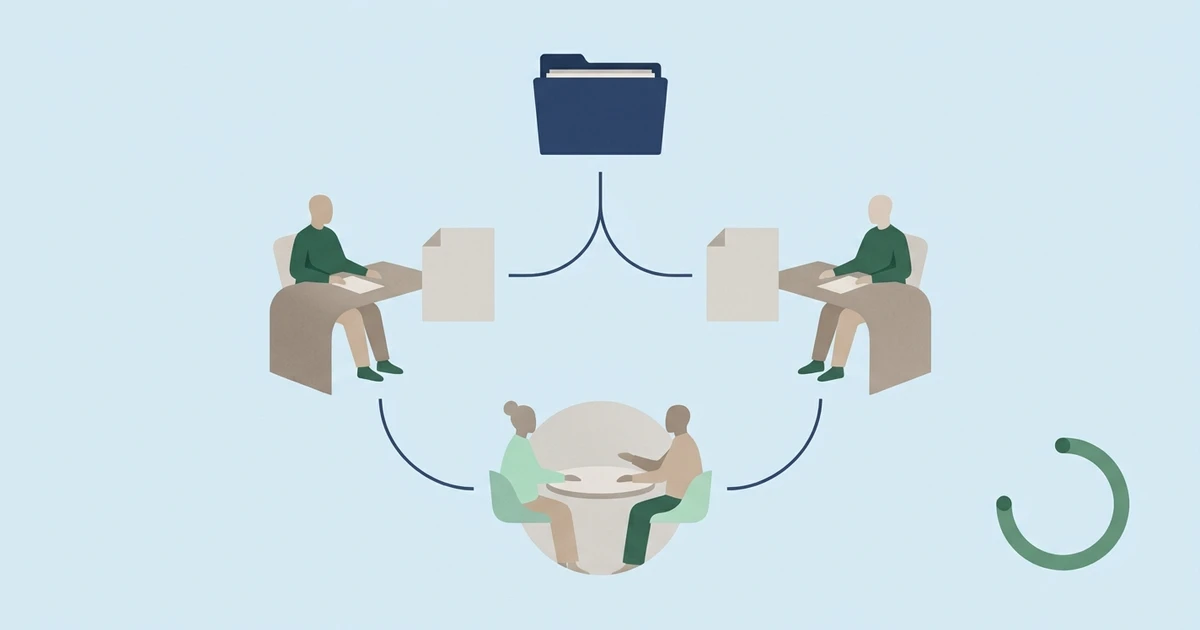
Before collecting files, write the question you want the oncology team to answer. A clear question helps the coordinator request the right specialist and helps the reviewing team decide which records matter.
Examples of useful questions include:
- Do the available records support the current diagnosis and stage?
- Is the proposed treatment plan complete enough to review?
- Are pathology slides or tissue blocks needed?
- Are original imaging files needed, not only the written report?
- Is more testing needed before an opinion can be meaningful?
- How should the second opinion be shared with the current treating team?
The National Cancer Institute, accessed 19 August 2026, explains that a second opinion involves another specialist reviewing materials related to the case. It may agree with the first plan or suggest another approach. It should not be treated as a guaranteed change in diagnosis or treatment.
Core records to organize first
A practical cancer second-opinion packet usually starts with the documents that explain what has been diagnosed, what has already happened, and what decision is pending.
Prepare:
- A short current case summary
- Diagnosis and staging notes, if available
- Pathology report from biopsy or surgery
- Imaging reports
- Original imaging files when available
- Laboratory results
- Biomarker, molecular, hormone receptor, or genetic test reports when relevant
- Operative notes or procedure reports
- Chemotherapy, immunotherapy, radiation, surgery, or other treatment summaries
- Discharge summaries
- Current medicines and allergies
- Side effects or complications already documented by the treating team
- Current oncologist or treating doctor’s contact details, if you want the teams to coordinate
This is a preparation checklist, not a universal requirement. The receiving oncology team decides which records are needed for the individual case.
Pathology reports, slides, and paraffin blocks
Pathology is often central in cancer care because it describes the tissue diagnosis. The NCI surgical pathology fact sheet, accessed 19 August 2026, explains that pathology reports may include diagnosis details, unusual features, molecular or cytogenetic information, relevant clinical history, prior samples, other possible diagnoses, and tests that are still pending.
For a pathology second opinion, the reviewing institution may request more than the written report. NCI says patients may need to obtain slides or a paraffin block from the pathologist or hospital that examined the sample.
Ask the receiving hospital:
- Is the written pathology report enough for the first review?
- Are glass slides required?
- Is a paraffin block required?
- Should tissue material be sent directly from one laboratory to another?
- What packing, courier, consent, and return instructions apply?
- Are additional biomarker or molecular tests needed?
Do not ship pathology material until the receiving institution and originating laboratory confirm the process.
Imaging reports and original image files
Cancer imaging can support diagnosis, staging, treatment guidance, response assessment, and monitoring for recurrence, according to the NCI cancer imaging overview, accessed 19 August 2026. This is why both the radiology report and the original image files may matter.
The written report summarizes what the radiologist saw. The original images let a reviewing radiologist or oncology team inspect the study again when needed.
Collect both when available:
- CT report and CT image files
- MRI report and MRI image files
- PET-CT report and PET-CT image files
- Ultrasound report and relevant image files
- Mammography or breast imaging reports and files
- X-ray reports and files when relevant
- Prior scans used for comparison
RadiologyInfo.org says patients may obtain images on a CD, flash drive, or electronic transfer, and that images can help second opinions, specialist referral, cancer monitoring, and comparison with future studies (RadiologyInfo.org, accessed 19 August 2026).
What DICOM means
DICOM is the standard used for communication and management of medical imaging information and related data. The DICOM standard overview, accessed 19 August 2026, says it supports medical imaging exchange, including media storage, but also notes that the standard itself does not guarantee every system will interoperate.
For patients, the practical meaning is this: if a hospital asks for DICOM files, a screenshot or PDF image may not be enough. Ask the imaging center or hospital for the original study files in the format the receiving team requests.
Before uploading or sending images, ask:
- Does the Indian hospital accept a secure upload link?
- Does it need a CD or USB copy?
- Does it need the full study folder or selected series?
- Should previous scans be included for comparison?
- Who confirms that the files opened correctly?
- What should be done if the file is too large?
Do not crop, rename, or edit clinical image files unless the receiving team gives specific instructions.
Lab, biomarker, and treatment records
A second opinion often needs the timeline, not only the latest diagnosis. Treatment history helps the reviewing team understand what was tried, what is planned, and which questions remain.
Prepare relevant records such as:
- Blood counts and chemistry tests
- Liver and kidney function tests
- Tumor marker results
- Hormone receptor reports
- Immunohistochemistry reports
- Molecular or genetic testing reports
- Chemotherapy regimen and cycle history
- Immunotherapy or targeted therapy records
- Radiation summary and dose records where applicable
- Surgery or procedure notes
- Hospital discharge summaries
- Current prescriptions and supportive medicines
Do not interpret these results yourself. If a result looks urgent, confusing, or inconsistent with symptoms, ask the treating oncology team or a licensed clinician.
How recent do reports need to be?
There is no universal freshness rule that applies to every cancer second opinion. Some questions can begin with existing records. Other questions may require updated imaging, pathology, blood tests, or specialist examination.
NCI’s questions about cancer treatment, accessed 19 August 2026, includes asking when treatment needs to start and whether a specialist or second opinion is needed. Those timing questions belong to the treating oncology team.
Ask:
- Which reports are too old for this specific review?
- Are new scans needed before an opinion can be issued?
- Can a preliminary opinion be given from current records?
- Would waiting for missing records delay time-sensitive care?
- Who should decide whether treatment continues while the second opinion is pending?
Do not delay, stop, or change treatment because a document is missing from a checklist.
Organize records for secure review
Make the review easier without exposing sensitive information unnecessarily.
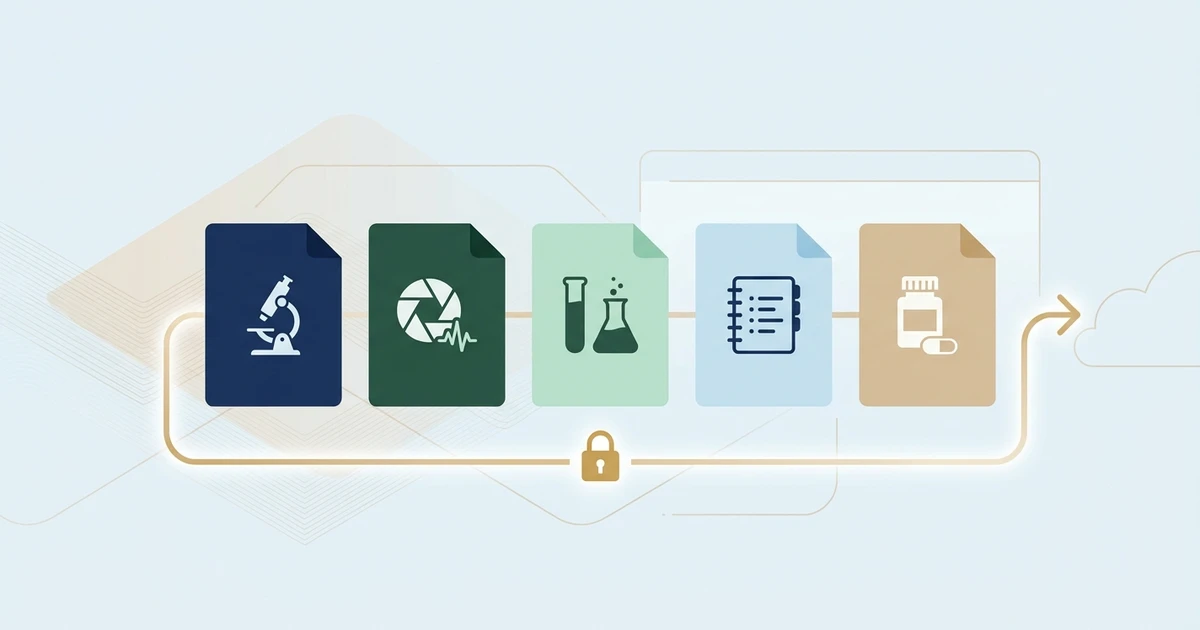
Use clear file names that describe the document type and date, such as pathology-report, PET-CT-report, discharge-summary, or chemotherapy-summary. Keep the patient’s identifying information only where the secure clinical process requires it.
Use an approved secure transfer route. Do not send cancer reports, scans, passports, or contact details into public chat, ordinary shared folders, or this repository.
Virello Health’s second-opinion page says the team can help identify the appropriate review or coordination step after the patient shares what has been diagnosed, which reports are available, and where they are in the journey. Virello also states that medical content is for planning support and does not replace a doctor consultation.
When to return to the treating team now
If symptoms are worsening, treatment is scheduled, or a clinician has already warned that timing is important, ask the current treating team before waiting for an overseas review.
Contact local emergency services or a licensed clinician immediately if the situation may be an emergency. This article cannot assess severity, and Virello Health is not an emergency service.
For non-emergency planning, ask the current oncologist:
- Can the second opinion safely fit into the timeline?
- Which records should be shared?
- Should any treatment continue while the review is pending?
- Who will receive the written opinion?
- How should differences between opinions be reconciled?
The current and reviewing clinicians should work from the same record set whenever possible.
Virello Health’s role in report coordination
Virello Health can help organize available records, request an oncology second opinion from India, coordinate hospital communication, and plan practical support around care. The oncology specialist, pathologist, radiologist, and hospital make clinical decisions.
You can use the approved route to upload medical reports when you are ready for case coordination. Keep a copy of what was sent, the date sent, and any missing documents requested later.
Cancer second-opinion records checklist
Use this checklist before requesting the review.
| Record type | Why it may be needed | Who confirms if required |
|---|---|---|
| Case summary | Shows the current diagnosis, treatment question, and timeline | Coordinator and oncology team |
| Pathology report | Supports diagnosis and tumor details | Oncology team or pathologist |
| Slides or paraffin block | May be needed for pathology rereview | Receiving pathology department |
| Imaging reports | Summarize scan findings | Oncology team |
| Original image files | Allow rereview or comparison | Radiology or oncology team |
| Lab and biomarker reports | Support staging, treatment planning, and eligibility questions | Oncology team |
| Treatment summaries | Show previous therapy and response | Treating and reviewing teams |
| Operative or discharge notes | Explain procedures, findings, medicines, and follow-up | Hospital and oncology team |
| Current medicines | Helps clinicians understand ongoing treatment and risks | Treating clinician |
If the receiving team asks for something not listed here, follow its current instructions.
Sources
- National Cancer Institute: Finding Cancer Care, accessed 19 August 2026.
- National Cancer Institute: Surgical Pathology Reports, accessed 19 August 2026.
- National Cancer Institute: Questions to Ask about Cancer Treatment, accessed 19 August 2026.
- RadiologyInfo.org: How to Obtain and Share Your Medical Images, accessed 19 August 2026.
- DICOM Standard: Introduction and Overview, accessed 19 August 2026.
- National Cancer Institute: Cancer Imaging Basics for Diagnosis and Treatment, accessed 19 August 2026.
- Virello Health: Free Second Opinion for Treatment in India, accessed 19 August 2026.